

Views: 0 Author: Site Editor Publish Time: 2026-02-16 Origin: Site


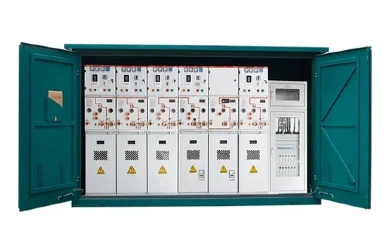
A Ring Main Unit (RMU) is a type of electrical switchgear commonly used in medium-voltage distribution systems. It is designed to control, protect, and isolate electrical circuits, ensuring a reliable power supply in distribution networks. RMUs are often found in urban areas, industrial sites, and renewable energy systems, where they manage power flow and help maintain the stability of the grid by isolating faults and enabling load management.
On the other hand, switchgear refers to a broader category of electrical equipment used to control, protect, and isolate electrical circuits at both low and high voltage levels. Switchgear can encompass a wide range of devices, including circuit breakers, disconnect switches, fuses, and protective relays. It is primarily used in substations and larger electrical installations to ensure the safe operation of the electrical system.
The purpose of this article is to explore the key differences between RMUs and switchgear, highlighting their specific functions, design features, and typical applications, to help you understand which device is most suitable for various electrical distribution needs.
How RMUs and Switchgear Serve Different Roles in Power Distribution:
RMUs are primarily used for medium-voltage distribution in ring networks. Their main function is to isolate faults, manage load distribution, and ensure reliable power delivery in confined spaces. RMUs are designed to provide flexible switching and fault isolation in a ring distribution network, improving system reliability by allowing power to be rerouted when a fault occurs.
Switchgear, on the other hand, is a broader term encompassing various devices used for controlling, protecting, and isolating electrical circuits. It can be used in both low-voltage and high-voltage systems. Switchgear includes circuit breakers, disconnect switches, fuses, and protective relays, which are designed to protect electrical systems from overloads, short circuits, and faults. It is commonly used in substations, industrial facilities, and large-scale electrical networks.
Overview of the Design Differences, Including the Type of Insulation and Configuration:
RMUs typically have a compact design with sealed enclosures to house the electrical components. They are often gas-insulated (using SF6) or solid-insulated to save space and provide better protection in areas with limited space, such as underground or densely populated urban areas. The insulation in RMUs ensures safe operation and fault isolation with minimal maintenance.
Switchgear has a wider variety of designs depending on the application. Air-insulated switchgear (AIS) is commonly used for outdoor installations and in environments where space is not a concern. Gas-insulated switchgear (GIS), similar to RMUs, is used in applications where compactness and high reliability are required, especially in urban areas or places with limited space. Switchgear also includes components like circuit breakers for protecting electrical circuits and fuses for safety, which are not commonly found in RMUs.
Where RMUs and Switchgear Are Typically Used in Electrical Systems:
RMUs are primarily used in medium-voltage distribution networks, especially in urban settings, industrial sites, substations, and renewable energy systems. They are particularly effective in ring distribution systems where they enable efficient fault isolation and ensure a continuous power supply. They are also used in compact spaces like underground substations and power distribution points.
Switchgear, due to its broader scope, is used in a variety of applications ranging from low-voltage networks to high-voltage substations. It is found in power plants, substations, and industrial facilities, where it serves as the main protection and control equipment for electrical circuits. High-voltage switchgear is used for system protection in large-scale transmission networks, while low-voltage switchgear is commonly used in residential and commercial electrical distribution systems.
Below is a detailed comparison of Ring Main Units (RMUs) and Switchgear based on their functions, features, and typical uses:
Feature | Ring Main Unit (RMU) | Switchgear |
Function | Controls and isolates circuits in medium-voltage networks | Provides protection, switching, and control for electrical systems |
Design | Compact and often sealed (gas or solid insulation) | Larger units with air or gas-insulated components |
Application | Urban and industrial power distribution, renewable energy | High-voltage substations, large industrial facilities |
Flexibility | More flexible in space-limited installations | Offers broader functionality for diverse network needs |
Protection Features | Focused on fault isolation and load management | Comprehensive protection and control for full system integrity |
This comparison highlights the key differences between RMUs and switchgear, showcasing their specific roles in electrical systems, their design considerations, and how each serves different network needs.
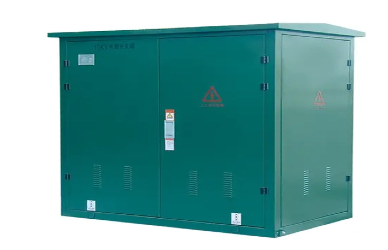
Both Ring Main Units (RMUs) and switchgear offer distinct advantages depending on their intended application. Here’s a breakdown of the pros and cons of each:
Compact Design:
RMUs are compact, making them ideal for space-constrained environments like urban areas and underground installations.
Fault Isolation and Load Management:
Designed for quick fault isolation and efficient load management, ensuring minimal downtime and reliable power distribution.
Easy Installation and Maintenance:
RMUs have a modular design, making them easier to install and maintain, with fewer maintenance needs due to their sealed construction.
Reliability in Ring Networks:
RMUs excel in ring-type networks, enabling efficient rerouting of power during faults to maintain service continuity.
Limited Protection Features:
RMUs focus on fault isolation and load management but lack the comprehensive protection features of switchgear.
Medium-Voltage Application:
RMUs are suitable only for medium-voltage systems (up to 36kV), limiting their use in high-voltage applications.
Customization Costs:
Customizing RMUs can be costly, especially for specialized needs.
Comprehensive Protection and Control:
Switchgear provides full system protection, including overcurrent and short circuit protection, ensuring network stability.
Versatility Across Voltage Levels:
Suitable for low-voltage and high-voltage systems, making it versatile for large-scale applications.
Broader Functionality:
Switchgear offers advanced functionality such as load breaking and voltage regulation.
Durability and Reliability:
Switchgear is highly durable and reliable, especially for high-voltage systems.
Larger Footprint:
Switchgear tends to be larger and requires more installation space, making it unsuitable for tight environments.
Higher Initial Cost:
Switchgear is typically more expensive than RMUs, particularly for high-voltage systems.
Complex Installation and Maintenance:
Installation and maintenance are more complex and time-consuming compared to RMUs.
Not Ideal for Smaller Networks:
For smaller systems, switchgear may be overbuilt and not cost-effective.
The decision between a Ring Main Unit (RMU) and switchgear depends on factors like voltage, space, protection needs, cost, and system complexity. Here's a simplified guide to help you choose:
RMU: Best for medium-voltage systems (up to 36kV), commonly used in ring networks.
Switchgear: Ideal for high-voltage systems (over 36kV) and comprehensive protection across multiple voltage levels.
RMU: Compact design makes RMUs ideal for space-limited environments like urban areas or underground installations.
Switchgear: Requires more space and is better suited for large-scale or high-voltage substations.
RMU: Perfect for fault isolation and load management in medium-voltage networks.
Switchgear: Provides full system protection (e.g., overcurrent, short circuits), suitable for high-voltage and large industrial applications.
RMU: Ideal for simple, medium-voltage networks with basic fault isolation needs.
Switchgear: Best for complex networks requiring advanced protection, control, and flexibility.
RMU: More cost-effective for medium-voltage networks with basic protection needs.
Switchgear: Higher initial cost but provides long-term investment in comprehensive protection and flexibility.
RMU: Suitable for stable systems with modest future growth.
Switchgear: Offers greater flexibility for future upgrades and integration with smart grid systems.
RMUs help manage load distribution, isolate faults, and improve the reliability of medium-voltage networks in compact spaces.
Yes, switchgear can be used in both low and high-voltage systems, providing comprehensive protection and control.
No, RMUs and switchgear serve different purposes, and the selection depends on system requirements, voltage, and application area.
RMUs are generally more cost-effective for smaller, medium-voltage applications, while switchgear is more suited for larger systems requiring complex protection and control.
In summary, RMUs and switchgear serve different purposes in electrical systems, each with distinct advantages depending on the project requirements. RMUs are ideal for medium-voltage networks where space is limited, and the main need is fault isolation and load management. They are cost-effective, compact, and efficient for urban and industrial applications. However, they are limited to medium-voltage systems and lack the comprehensive protection features of switchgear. Switchgear, on the other hand, is suitable for high-voltage systems and offers full system protection, advanced control, and flexibility. It is better suited for large-scale applications, high-voltage substations, and projects that require extensive protection and network scalability.
When selecting the right equipment, consider factors such as the voltage level, available space, required protection features, budget, and future expansion needs. Choose RMUs for medium-voltage networks with space constraints and simpler protection needs, while switchgear is the ideal solution for high-voltage, complex networks requiring robust protection and flexibility. By understanding these differences, operators can select the most suitable solution to ensure reliable, safe, and efficient power distribution.


