

Views: 0 Author: Site Editor Publish Time: 2026-02-09 Origin: Site


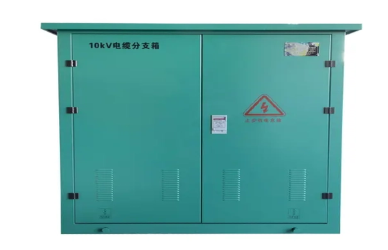
A Ring Main Unit (RMU) is a critical component of medium-voltage electrical distribution systems. It is designed to control, protect, and isolate electrical circuits, ensuring a reliable power supply in various networks. Typically used in ring-type distribution systems, RMUs allow power to flow from multiple directions, improving the resilience and reliability of the grid. They are commonly employed in urban distribution networks, industrial sites, substations, and renewable energy systems.
Choosing the right installation location for an RMU is essential for its optimal performance and longevity. The location directly affects the unit's accessibility, maintenance, safety, and its ability to withstand environmental stresses. Whether installed in an urban setting with limited space, in an industrial area requiring high durability, or in underground networks that demand robust protection, selecting an appropriate site ensures the RMU operates efficiently, with minimal downtime and maintenance costs.
Role of RMUs in City Power Grids:
RMUs play a critical role in urban power grids by ensuring reliable and continuous electricity supply. In city networks, RMUs are typically used to isolate faults, manage load distribution, and provide protection to electrical circuits, reducing the risk of widespread outages. Their ability to allow power to flow from multiple directions enhances grid resilience in densely populated areas.
Benefits of Compact RMUs for Urban Areas with Limited Space:
Urban areas often have limited space for infrastructure, which makes compact and efficient equipment essential. Gas-insulated RMUs (SF6) and solid-insulated RMUs are ideal for cities because of their small footprint and ability to operate in confined environments, such as underground substations or within buildings. Their compact design reduces the need for expansive land or space, making them perfect for high-density urban settings.
RMU Applications in Industrial Settings:
In industrial environments, RMUs are used to manage and protect power distribution systems, ensuring that critical machinery and equipment receive a steady supply of electricity. These systems need to be highly reliable to prevent downtime, which can result in costly production halts.
Heavy-Duty Performance and Protection in Factories and Plants:
Industrial RMUs are often designed to handle higher operational stress and increased load demands. These RMUs must withstand frequent switching operations and fault conditions. They are crucial for ensuring the stability of electrical systems in large factories, plants, and other industrial settings where reliable power is essential to maintain productivity and safety.
Role of RMUs in Substations for Controlling and Protecting Electrical Systems:
In substations, RMUs are essential for controlling the flow of electricity and protecting the power distribution network from faults. They isolate faults quickly, ensuring that electricity can still be supplied to other parts of the network, minimizing downtime and potential damage to electrical infrastructure.
Integration into Medium-Voltage Distribution Networks:
RMUs in substations are commonly integrated into medium-voltage distribution systems to enhance operational flexibility and reliability. They play an important role in managing power flow, isolating sections of the grid, and ensuring that the entire network can function smoothly even if one section experiences a fault.
RMU Installation in Wind Farms, Solar Power Plants, and Microgrids:
RMUs are increasingly used in renewable energy applications, such as wind farms, solar power plants, and microgrids. They help manage the distribution of electricity from renewable sources, ensuring that power is efficiently routed and faults are isolated quickly to maintain system reliability.
Flexibility and Reliability in Renewable Energy Applications:
Renewable energy sources can experience fluctuations in power generation, making efficient grid management crucial. RMUs in renewable energy systems provide the flexibility needed to adjust to these fluctuations, ensuring that excess power can be stored or rerouted, and that faults are managed without disrupting overall grid stability.
Benefits of RMUs in Underground Networks:
RMUs are often installed in underground electrical networks, particularly in urban areas where land is scarce. Underground installations provide protection against environmental elements like harsh weather, pollution, and vandalism, increasing the overall lifespan and reliability of the equipment.
Protection Against Environmental Elements and Space-Saving Features:
One of the key advantages of underground RMUs is that they are shielded from external environmental conditions, which reduces the risk of damage caused by environmental factors. Their compact design makes them ideal for underground installations, saving valuable space while providing robust protection for the electrical distribution system.
RMUs Used in Large Office Buildings or Complexes for Managing Internal Power Distribution and Ensuring System Reliability:
In commercial buildings, such as office complexes, hotels, or shopping malls, RMUs play a key role in managing the internal power distribution system. They help control the flow of electricity between the main supply and various electrical circuits, ensuring that power is distributed efficiently and safely across the building. RMUs provide protection from faults and help in load management, ensuring a reliable power supply to all parts of the building, from office spaces to common areas.
Compact and Reliable Solutions for Multi-Building Setups:
RMUs are particularly beneficial in multi-building commercial complexes where centralized power distribution is required. Their compact size makes them ideal for installations where space is limited, such as in basement electrical rooms or within service areas of the complex. RMUs ensure that each building in the complex has a stable, isolated power supply, with the ability to quickly isolate faults, preventing disruptions across the entire property. They also allow for easier maintenance and upgrading of power systems within the complex, making them a reliable choice for large commercial setups.
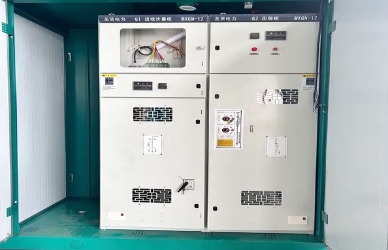
When installing a Ring Main Unit (RMU), several critical factors must be considered to ensure that it operates efficiently, reliably, and safely. These factors include space, environmental conditions, voltage requirements, and accessibility. Here’s a breakdown of each factor:
Available Space for Installation:
RMUs, especially gas-insulated RMUs and solid-insulated RMUs, are compact and designed to fit in constrained spaces. However, it is still important to ensure that the installation site has enough room for proper airflow, maintenance access, and future expansion if needed. In urban areas, where space is at a premium, compact RMUs are ideal for installation in basements, underground chambers, or service areas.
Accessibility for Maintenance and Inspection:
Sufficient space must be provided to allow for easy access to the RMU for regular inspections, maintenance, and any potential repairs. This includes providing space for personnel to safely operate and monitor the unit, as well as ensuring that all components are reachable.
Climate and Weather:
The environmental conditions where the RMU is to be installed greatly influence the selection of the type. Gas-insulated RMUs are ideal for locations with harsh climates (e.g., high humidity, extreme temperatures) since they are sealed and protected from environmental influences. In contrast, air-insulated RMUs are more suitable for areas with milder conditions.
Pollution and Contamination:
Areas with high levels of industrial pollution or coastal environments with salt exposure require RMUs with superior protection, such as gas-insulated or solid-insulated models, which offer better protection against corrosion and contamination. These conditions can significantly affect the performance and longevity of the RMU.
Voltage Range of the Distribution Network:
RMUs are typically used in medium-voltage distribution networks (1kV to 36kV). The voltage level of the system must match the RMU's design to ensure optimal performance and protection. For example, if the grid operates at a higher voltage level, gas-insulated RMUs or hybrid RMUs may be required due to their enhanced insulation capabilities.
Flexibility for Future Voltage Changes:
It’s also essential to consider potential future changes in the voltage requirements of the system. Choosing an RMU with some degree of flexibility, such as a hybrid RMU, can ensure that the system can adapt to future demands without the need for a complete replacement.
Ease of Installation and Ongoing Access:
The installation site should allow for convenient access to the RMU during setup and throughout its life cycle. Whether the RMU is installed above ground or underground, there must be proper infrastructure in place to allow for easy installation and accessibility for maintenance crews, ensuring the unit remains operational and is serviced regularly.
Remote Monitoring and Control:
For modern installations, consider RMUs that allow for remote monitoring and control. This feature is essential in reducing the need for frequent on-site visits, improving overall efficiency and safety in case of faults.
Yes, gas-insulated RMUs and solid-insulated RMUs are ideal for installations where space is limited, such as urban environments.
RMUs protect and control the power distribution in industrial sites, ensuring reliable power supply and protecting critical equipment from faults.
Yes, RMUs are used in renewable energy projects like wind and solar farms to ensure efficient power distribution and system protection.
RMUs installed underground are protected from environmental factors like weather, pollution, and vandalism, and they save space in urban areas.
In summary, Ring Main Units (RMUs) can be installed in various locations, each offering unique advantages. Common sites include urban distribution networks, where compact RMUs are essential for space efficiency; industrial sites, where RMUs manage heavy-duty power distribution; substations, where they control and protect medium-voltage systems; renewable energy systems, such as wind and solar plants, where they ensure flexibility and reliability; and underground installations, providing protection from environmental factors while saving space. Commercial buildings and complexes also benefit from RMUs for managing power distribution across multiple buildings.
To maximize reliability and efficiency, RMUs should be installed in locations that consider factors like available space, environmental conditions, voltage needs, and accessibility. Proper installation ensures the RMU performs optimally, providing long-term, reliable power distribution. Regular maintenance and the right installation site will enhance the RMU's lifespan, ensuring efficient operation for the future.


