

Views: 0 Author: Site Editor Publish Time: 2026-02-04 Origin: Site


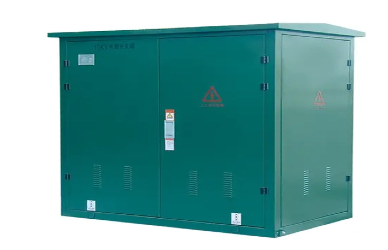
A Ring Main Unit (RMU) is a type of electrical switchgear widely used in medium-voltage distribution systems to enhance the reliability and flexibility of power networks. Its primary purpose is to manage the distribution of electricity, allowing for efficient switching and fault isolation in distribution circuits. RMUs are typically installed in urban, industrial, or commercial areas to ensure the smooth and uninterrupted supply of electrical power. The design of an RMU allows it to operate in a "ring" configuration, meaning electricity can be supplied from multiple directions, thus providing an alternative path for power in the event of a fault. This looped system minimizes downtime and ensures continuous power availability by isolating faults and maintaining supply from the other side of the ring. Additionally, RMUs are equipped with protection features that safeguard electrical systems from overloads, short circuits, and other hazards, ensuring both safety and efficiency in the medium-voltage power distribution process.
Basic Design and Applications
Air-insulated RMUs (AIS RMUs) use air as the primary insulating medium to separate live electrical components. These RMUs are typically housed in metal enclosures and are suitable for outdoor installations in environments where space and protection against weather conditions are not primary concerns. They are widely used in rural or less congested areas where installation space is available.
Pros and Cons
Pros:
Cost-effective compared to other types of RMUs.
Simple design with fewer components.
Easy to maintain and service.
Suitable for open, well-ventilated spaces.
Cons:
Larger footprint compared to gas-insulated RMUs.
Limited protection in harsh environmental conditions (e.g., extreme weather, pollution).
Requires more frequent maintenance compared to gas or solid-insulated alternatives.
Characteristics of SF6 Insulation
Gas-insulated RMUs use sulfur hexafluoride (SF6) gas as an insulating medium, which has excellent electrical insulation properties. The SF6 gas is pressurized inside the sealed compartments of the RMU, providing insulation for the high-voltage components. This type of RMU is compact, which makes it ideal for installations where space is limited, such as urban environments or inside buildings.
Benefits in Urban Environments
Compact Design: SF6 RMUs are more compact than air-insulated models, which is perfect for installation in urban or densely populated areas where space is limited.
Enhanced Safety and Reliability: SF6 provides superior dielectric strength, ensuring safe and reliable operation even in areas with high pollution levels or harsh weather conditions.
Low Maintenance: Since the RMU is sealed and enclosed, there is minimal exposure to the environment, reducing the need for frequent maintenance.
Insulation Materials and Environmental Benefits
Solid-insulated RMUs use solid materials (such as epoxy resin or other polymer-based insulations) instead of gas or air. These materials offer excellent insulation properties and are environmentally friendly. The sealed design eliminates the need for SF6 gas, which is a concern due to its environmental impact. Solid-insulated RMUs are suitable for areas with strict environmental regulations or where SF6 gas use is prohibited.
Suitable Applications and Limitations
Applications: Ideal for environmentally-conscious installations, such as in green building projects, renewable energy systems, or areas with severe environmental restrictions.
Limitations: These RMUs tend to have a larger footprint compared to gas-insulated models and may be less suitable for high-voltage applications due to their insulation properties.
Combining Different Insulation Technologies
Hybrid RMUs combine multiple insulation technologies, such as air, gas, and solid insulation, into a single unit. These RMUs aim to leverage the strengths of each type of insulation to create a flexible and versatile solution for modern electrical distribution networks.
Advantages of Hybrid Systems in Modern Networks
Flexibility: Hybrid RMUs allow utilities to choose the appropriate insulation based on specific requirements of different parts of the network, providing more flexible solutions for diverse applications.
Compact Design with Enhanced Performance: Combining technologies like SF6 gas and solid insulation can offer the space-saving benefits of gas-insulated systems while maintaining the environmental benefits of solid insulation.
Improved Efficiency: The hybrid design enhances operational reliability, particularly in complex or urban networks where both high performance and environmental considerations are crucial.
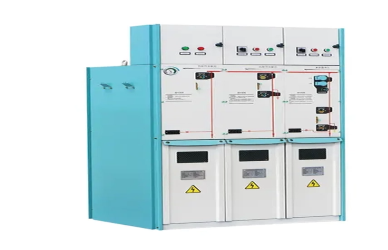
When selecting the right Ring Main Unit (RMU), several factors must be considered to ensure optimal performance, safety, and efficiency. Below are the key considerations:
Location
Urban vs. Rural Areas: For urban environments with limited space, gas-insulated RMUs are ideal due to their compact design. In rural areas, air-insulated RMUs are suitable, as they require more space.
Indoor vs. Outdoor Installation: Gas-insulated RMUs and solid-insulated RMUs are better for indoor installations, offering more protection against environmental elements. Air-insulated RMUs work well for outdoor settings with good ventilation.
Voltage
RMUs are typically used in medium voltage ranges (1kV to 36kV). The voltage rating of the RMU should match the grid’s requirements. Gas-insulated RMUs are better for higher voltage needs due to their enhanced insulation.
Environmental Conditions
Climate and Weather: In harsh climates, gas-insulated RMUs or solid-insulated RMUs provide better protection. Air-insulated RMUs are less suitable for areas with extreme weather conditions.
Pollution and Contamination: For high pollution areas, gas-insulated RMUs are ideal, as their sealed design protects the internal components from environmental damage.
Grid Configuration and Flexibility
RMUs are ideal for ring networks due to their ability to isolate faults and maintain power supply. Gas-insulated RMUs or hybrid RMUs offer flexibility in these networks, ensuring reliable operation even during faults.
Scalability and Expansion
Hybrid RMUs provide greater flexibility and can be easily scaled or upgraded, making them a good choice for grids that may expand in the future.
Protection and Safety Requirements
Gas-insulated RMUs provide superior protection, while solid-insulated RMUs are better for environmentally conscious installations. Matching the RMU type to protection needs ensures a safe and efficient power distribution system.
Ring Main Units (RMUs) are widely used across various electrical distribution networks. The selection of the type depends on the specific needs of the installation site.
In urban areas with limited space, gas-insulated RMUs (SF6) are preferred due to their compact design and reliability in confined spaces. Their sealed design protects against pollution and extreme weather, ensuring continuous power supply even during faults.
Advantages:
Space-saving and compact.
Reliable in polluted and harsh conditions.
Suitable for underground or limited-space installations.
For industrial sites and substations, air-insulated RMUs are commonly used in less congested areas, offering a cost-effective and easy-to-maintain solution. In critical areas, gas-insulated RMUs provide higher reliability and lower maintenance.
Advantages:
Cost-effective for non-urban areas.
High reliability and minimal maintenance in critical areas.
In renewable energy projects like wind farms and solar plants, solid-insulated RMUs and hybrid RMUs are ideal, offering environmental benefits and reliability for handling fluctuating power loads in microgrids.
Advantages:
Environmentally friendly, especially solid-insulated options.
Suitable for fluctuating energy supply in renewable projects.
Gas-insulated RMUs use sulfur hexafluoride (SF6) gas for insulation, providing superior dielectric properties. Their compact design makes them ideal for urban areas with limited space. SF6 RMUs are reliable, require less maintenance compared to air-insulated units, and are suitable for harsh environments with pollution, moisture, and extreme weather.
Solid-insulated RMUs use solid materials like epoxy resin or polymer compounds for insulation. These materials offer excellent dielectric properties and eliminate the need for SF6 gas, making them environmentally friendly. They are low-maintenance, durable, and ideal for areas with strict environmental regulations or sustainability goals.
Consider the following factors:
Environmental conditions: Gas-insulated RMUs are ideal for harsh environments, while air-insulated RMUs are suitable for mild conditions.
Available space: Gas-insulated or solid-insulated RMUs are compact for space-limited installations.
Voltage requirements: Match the RMU to the system’s voltage levels.
Local regulations: Solid-insulated RMUs are preferable for projects with sustainability regulations.
Gas-insulated RMUs typically last 20+ years with minimal maintenance. The sealed design protects them from environmental factors, reducing wear and tear. Their durability and compact design make them ideal for long-term urban power distribution, providing reliable, efficient service over time.
In summary, the key differences between the various types of Ring Main Units (RMUs) lie in their insulation methods, size, and suitability for different environments. Air-insulated RMUs are cost-effective and easy to maintain, making them ideal for less congested areas with ample space. Gas-insulated RMUs (SF6) offer compactness and high reliability, making them suitable for urban networks and environments with limited space and harsh conditions. Solid-insulated RMUs provide an environmentally friendly alternative, with minimal maintenance and high sustainability, ideal for areas with strict environmental regulations. Hybrid RMUs, combining various insulation technologies, offer flexibility and scalability, making them perfect for modern networks that require adaptability and future expansion.
When choosing the best RMU for a project, it’s essential to consider factors such as the location (urban or rural), environmental conditions, voltage requirements, and available space. For urban and confined spaces, gas-insulated RMUs are the most suitable. In rural or industrial settings where space is available, air-insulated RMUs are a cost-effective choice. For environmentally-conscious projects, solid-insulated RMUs or hybrid RMUs should be considered, offering both environmental benefits and high performance. Matching the right RMU to the project needs ensures efficient, safe, and reliable power distribution tailored to specific requirements.


