

Views: 0 Author: Site Editor Publish Time: 2026-06-10 Origin: Site


A blown power transformer is rarely a random accident. It is typically the final stage of an unmitigated mechanical, electrical, or environmental stressor. Overlooking these early warning signs inevitably leads to catastrophic physical failure. For facility managers, utility operators, and industrial plants, such events create massive operational disruptions. You face severe safety hazards, crippling facility downtime, and unbudgeted emergency replacement expenses. Traditional electrical operations simply cannot absorb these sudden physical and financial shocks.
Understanding the exact mechanisms behind these failures becomes your critical first step. We will explore the precise root causes of these explosions and the fluid dynamics behind them. You must understand how internal degradation turns into a high-energy explosive event. You will also learn how to evaluate protective upgrades, implement predictive maintenance solutions, and manage replacement infrastructure. This knowledge enables you to safeguard your operations proactively and avoid devastating facility shutdowns.
Root Mechanism: Explosions occur when internal insulating fluids vaporize rapidly due to electrical arcing, causing pressure to exceed the physical limits of the casing.
Primary Triggers: Degradation of insulation, severe weather events, overvoltage, and wildlife interference account for the majority of catastrophic failures.
Evaluation Shift: Modern infrastructure management requires moving from reactive replacement to proactive mitigation (e.g., Dissolved Gas Analysis, advanced fire barriers, and protective relays).
Supply Chain Reality: With current global lead times for new power transformers, extending the lifecycle of existing assets through targeted upgrades is a strategic financial imperative.
Let us detail the physical sequence of a failure scientifically. Dielectric breakdown acts as the primary internal catalyst. The internal insulation loses its physical ability to resist electrical current. This insulation failure leads directly to a high-energy electrical arc jumping across internal components. This electrical arc generates immense, localized heat instantaneously.
We then observe rapid thermal runaway inside the tank. The extreme temperature from the arc contacts the mineral oil or liquid insulating fluid. This insulating fluid vaporizes instantly upon contact. The chemical phase change creates massive volumes of highly combustible gases like hydrogen, methane, and ethylene. Fluid dynamics dictate rapid gas expansion within a perfectly sealed environment. Internal pressure spikes exponentially in mere milliseconds as the gases expand.
Finally, catastrophic mechanical failure occurs at the tank level. The rapidly expanding internal pressure simply surpasses the structural integrity limits of the exterior steel casing. The casing tears open violently, causing a massive physical rupture. Expelled combustible gases rush outward into the surrounding atmosphere. They mix instantly upon contact with atmospheric oxygen. The ongoing electrical arc or ambient internal heat ignites this volatile gas mixture. This sequence creates the devastating explosion and subsequent fire you observe from the outside.
Why do these internal breakdowns happen in the first place? We can categorize the root triggers into three primary areas of stress.
Every operational cycle degrades internal components slightly. Cellulose paper insulation breaks down naturally over years of intense thermal cycling. The chemical structure of the paper depolymerizes, losing mechanical strength. The liquid insulating oil also accumulates microscopic carbon contaminants over time. This steady physical degradation severely compromises the internal dielectric strength. Over decades, these core components simply lose their ability to suppress electrical arcing.
External electrical faults frequently push equipment beyond safe operating limits. Short circuits in the broader grid pull massive fault currents through the internal windings. Severe line faults or sustained facility overloading push internal temperatures exceptionally high. These thermal events exceed safe operational thresholds. Heat damages the delicate paper insulation irreversibly, accelerating the path toward dielectric failure.
External elements frequently compromise system integrity in unpredictable ways. The environment constantly tests exterior defenses.
Lightning & Surges: High-voltage lightning strikes easily bypass aging or defective surge arresters. The massive energy surge destroys internal paper insulation instantly, triggering immediate arcing.
Moisture Ingress: Microscopic water levels severely reduce the dielectric strength of insulating oil. Moisture enters through degraded tank seals or during improper maintenance procedures. It accelerates paper aging and degrades the oil rapidly.
Wildlife & Debris: Animals cause severe external bridging issues regularly. Birds, squirrels, or falling tree limbs cross live electrical phases to the grounded steel casing. This external physical bridging triggers massive phase-to-ground faults.
You must shift operations from reactive responses to proactive defense mechanisms. We can categorize essential protective measures into three robust tiers.
Continuous condition monitoring catches microscopic faults long before an arc happens. Dissolved Gas Analysis (DGA) monitors detect trace combustible gases circulating in the oil. They alert operators to slow-burning faults months before catastrophic arcing occurs. We also utilize acoustic emission sensors to monitor the physical tank. They detect high-frequency acoustic waves generated by localized partial discharge. This helps engineers pinpoint internal insulation deterioration early.
Active systems intervene automatically when a major fault occurs. Buchholz relays sit strategically between the main tank and the conservator in oil-filled units. They detect sudden internal gas surges and trigger immediate emergency shutdowns. Sudden pressure relays operate in a very similar fashion. They sense dangerous pressure spikes and disconnect the main power immediately. Upgraded surge arresters and modern circuit breakers also play crucial roles. They isolate the equipment instantly during external electrical transients.
Sometimes, an internal rupture becomes completely unavoidable. Physical safety barriers contain the resulting collateral damage effectively. Robust firewalls prevent massive oil fires from spreading to adjacent critical equipment. Blast walls deflect the initial explosive force upward safely. Fast-depressurization systems actively vent dangerous internal pressure during an arc event. They dump oil and gas safely into dedicated containment vessels. This prevents the primary steel casing from exploding outwardly.
System Tier | Primary Function | Key Technologies | Response Phase |
|---|---|---|---|
Condition Monitoring | Detect early fault indicators | DGA Monitors, Acoustic Sensors | Pre-failure (Preventative) |
Active Protection | Isolate active fault current | Buchholz Relays, Circuit Breakers | During fault (Reactive shutdown) |
Physical Barriers | Contain physical explosion damage | Firewalls, Depressurization Tanks | Post-rupture (Damage Containment) |
Explosions carry severe financial and operational consequences. We must measure the full scope of a catastrophic physical failure accurately.
Replacing a blown Power Transformer requires significant immediate capital. However, your indirect costs grow exponentially higher. Complete facility downtime halts entire production lines instantly. You lose compounding revenue for every single hour the grid remains disconnected. Environmental clean-up adds massive, unpredictable expenses. Large, uncontained spills of contaminated mineral oil require specialized hazmat remediation teams.
Safety failures invite intense regulatory scrutiny. OSHA heavily regulates workplace electrical safety protocols. NFPA 70 and NFPA 70E outline strict, enforceable guidelines for mitigating dangerous arc flash hazards. IEEE standards dictate proper maintenance intervals and specific protective relay settings. Failing to meet these basic standards exposes your entire organization to severe legal liabilities and crippling financial fines.
You must evaluate the Cost of Doing Nothing (CODN) carefully. Compare the upfront price of predictive upgrades against the financial ruin of a complete blowout. Calculate your potential daily production losses. Estimate potential environmental fines and legal fees. Factoring these specific risks justifies immediate capital expenditure on monitoring upgrades or phased infrastructure replacements.
Aging equipment eventually reaches a point where operators face a critical choice. You must decide whether to refurbish the existing asset or replace it entirely.
Thorough diagnostic testing dictates the correct path forward. Technicians evaluate internal winding resistance, insulation power factor, and overall oil quality. A unit displaying mild surface degradation might qualify for a professional rewind. Minor bushing leaks often require simple, cost-effective refurbishment. However, severe internal core damage or heavily charred paper insulation demands a total, immediate replacement.
Global manufacturing logistics heavily influence this major decision today. Current lead times for newly built units routinely stretch 12 to 24 months. You cannot simply buy a massive industrial unit off the shelf. This prolonged wait makes proactive life-extension retrofits highly attractive. Upgrading protective relays or retrofilling insulating oil buys crucial operational years. It bridges the vulnerable gap while you wait for new equipment manufacturing.
Replacing the internal fluid lowers explosion risks significantly. Traditional mineral oil remains highly combustible under thermal stress. The industry is rapidly shifting toward natural ester-based fluids like FR3. These synthetic fluids offer much higher fire flash points. They improve overall fire safety and extend internal insulation life. We often recommend retrofilling older units to mitigate immediate site fire risks.
You must remain realistic during this evaluation phase. Retrofitting is never a universal cure. Heavily degraded units suffering compromised internal cores will fail regardless of fluid upgrades. Do not waste capital repairing a structurally doomed asset.
Asset Condition | Recommended Action | Primary Benefit |
|---|---|---|
Mild oil degradation, solid core | Refurbish / Fluid Retrofill | Extends operational life immediately |
Faulty external gaskets, minor leaks | Targeted Repair | Low cost, minimal facility downtime |
Severe core damage, charred paper | Total Replacement | Eliminates catastrophic blowout risk |
Obsolete specifications, undersized | Total Replacement | Meets modern grid load demands |
Choosing the right technical service partner ensures successful mitigation. You need qualified experts who understand highly complex electrical infrastructure intimately.
Demand strict technical qualifications from any testing or manufacturing partner. You cannot afford amateur assessments.
Transparent Lab Results: They must provide unedited, third-party DGA laboratory reports explaining fluid health.
Verifiable Standards: Ensure full engineering compliance with all relevant IEEE and NEMA manufacturing standards.
Robust Warranties: Look for comprehensive warranty terms covering both specialized parts and installation labor.
Upgrading heavy electrical infrastructure carries significant logistical complexities. Scheduling planned facility outages requires precision planning to minimize lost revenue. You must manage heavy-lift logistics carefully. Moving a massive multi-ton unit requires specialized rigging teams and custom transport. Site safety compliance remains absolutely critical during the entire complex installation process.
Do not wait for a catastrophic physical failure. Initiate a comprehensive site audit immediately. Schedule an expert oil analysis program as your lowest-risk entry point. Testing your Power Transformer fluid provides critical baseline data. This precise data drives all future proactive maintenance and capital replacement decisions.
Explosions are never random acts of nature. They remain entirely preventable physical events driven by identifiable electrical and thermal stresses. Proactive maintenance practices successfully break the internal chain of events leading to mechanical failure. You hold the power to stop these disasters before they ignite.
We face an era of severely constrained global supply chains. Reactive equipment replacement is no longer a viable operational strategy. You must prioritize proactive asset evaluation and continuous online monitoring. Upgrading relays and deploying physical containment strategies are the only reliable ways to protect your industrial facilities.
Take control of your electrical infrastructure today. Schedule a professional asset health assessment immediately. Consult an engineering specialist to review your specific operational risks and compliance gaps. Protect your personnel, your local environment, and your production capabilities long before the next critical grid fault occurs.
A: The timeline varies drastically by unit size. A quick pole-mounted utility swap often takes just a few hours. However, massive industrial replacements involve heavy rigging, specialized transport, and site re-engineering. Due to current global supply chain constraints, procuring and fully installing a large custom unit can easily take 12 to 24 months.
A: Equipment rarely fails without warning. Look for abnormal humming or severe physical vibrations. Monitor the external casing for visible oil leaks. Unusually high operating temperatures indicate severe internal stress. The most critical early warning comes from abnormal DGA reports, showing rapidly rising levels of combustible gases in the insulating oil.
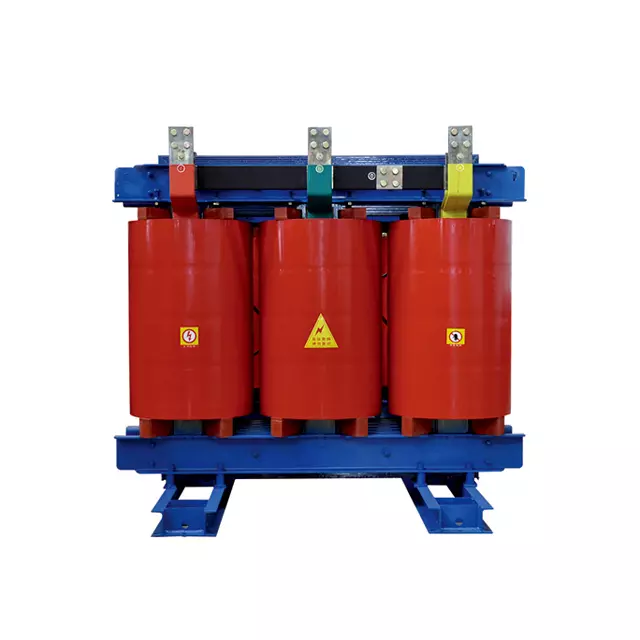
A: No, they are not completely immune. They lack the highly combustible mineral oil found in liquid-filled units, removing the primary fuel source for massive explosions. However, they can still suffer catastrophic electrical failure. Severe short circuits will melt internal components instantly, causing dangerous localized electrical fires and extremely hazardous toxic smoke.
A: Testing frequency depends heavily on unit size and facility criticality. Perform basic visual inspections monthly. Conduct infrared thermography scans annually to detect dangerous external hot spots. Pull insulating fluid samples for DGA testing at least once a year. High-voltage or highly critical units often require continuous online monitoring or bi-annual fluid analysis.


