

Views: 0 Author: Site Editor Publish Time: 2026-02-05 Origin: Site


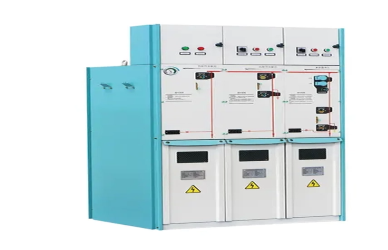
A Ring Main Unit (RMU) is a type of electrical switchgear used in medium-voltage distribution networks, primarily designed to control, protect, and isolate electrical circuits. RMUs are commonly found in urban areas, industrial sites, and substations, providing a safe and reliable method for managing the distribution of electricity. They are particularly beneficial in ring network configurations, where power can flow from multiple directions, ensuring continuity of service in the event of a fault.
The lifespan of an RMU is a crucial factor in ensuring the reliability and efficiency of electrical distribution systems. A longer lifespan means fewer replacements, reduced downtime, and lower maintenance costs, which translates to better long-term cost efficiency for utilities and businesses. Therefore, understanding the expected lifespan of RMUs and the factors that influence it is vital for proper maintenance planning, cost management, and the overall performance of electrical systems. Regular monitoring and maintenance are essential to maximize the operational lifespan and avoid costly repairs or premature replacements.
The typical lifespan of a Ring Main Unit (RMU) generally ranges from 20 to 30 years. This extended lifespan is achievable with proper maintenance, ideal environmental conditions, and minimal operational stress. RMUs are built to withstand the rigors of power distribution systems, offering long-term reliability and performance. However, various factors can influence their longevity, either extending or shortening their useful life.
Usage
The frequency of operation and the load placed on the RMU are critical factors. Units operating under heavy loads or experiencing frequent switching cycles may wear out faster than those used under light or moderate loads. The more frequently an RMU is engaged in fault isolation or load management, the more wear its components undergo, potentially reducing its lifespan.
Maintenance
Proper maintenance plays a significant role in extending the lifespan of RMUs. Regular inspections, cleaning, and replacement of worn parts help maintain the functionality of the unit and prevent early failure. RMUs that are well-maintained, with components like insulating materials and mechanical parts checked periodically, will perform better and last longer. Scheduled servicing and calibration also ensure that the unit operates at peak efficiency.
Environmental Conditions
Environmental factors, such as temperature extremes, humidity, and pollution levels, can have a significant impact on the lifespan of an RMU. Units exposed to harsh weather conditions or corrosive environments (e.g., high levels of industrial pollution or coastal salt exposure) may experience faster deterioration of insulation, mechanical components, and seals. In contrast, RMUs installed in more controlled environments tend to last longer. Moreover, outdoor RMUs are more susceptible to environmental wear compared to indoor or fully enclosed models.
By considering these factors, operators can optimize the lifespan of their RMUs, ensuring consistent and reliable power distribution over the years. Regular monitoring, good maintenance practices, and installation in suitable conditions are essential for maximizing the life expectancy of these critical electrical components.
The lifespan of a Ring Main Unit (RMU) is influenced by various factors that can either extend or shorten its useful life. These factors include environmental conditions, maintenance practices, and usage and load. Understanding how each of these aspects affects an RMU's longevity is crucial for optimizing its performance and ensuring reliable power distribution.
Impact of Harsh Climates, Pollution, and Extreme Temperatures
Environmental conditions play a significant role in the wear and tear of RMUs. Exposure to extreme temperatures (either high or low) can cause materials to expand or contract, potentially leading to cracks, degradation, or malfunction of components. Additionally, high levels of pollution or humidity can result in the corrosion of metal parts and the breakdown of insulating materials, reducing the overall efficiency and lifespan of the unit. RMUs located in coastal areas may also suffer from salt corrosion, which accelerates the deterioration of electrical components. In contrast, RMUs installed in controlled or indoor environments tend to experience fewer environmental stresses, leading to longer service life.
How Proper Maintenance Can Extend RMU Life
Regular and proper maintenance is essential for extending the lifespan of RMUs. Scheduled inspections allow for the identification of early signs of wear, such as cracked insulation, corroded contacts, or mechanical malfunctions. Preventative maintenance, such as cleaning, lubricating moving parts, and replacing worn-out components, helps avoid failures before they occur. Well-maintained RMUs experience fewer operational issues and are less likely to experience unexpected breakdowns. Proper maintenance also includes monitoring the operating conditions and adjusting settings to ensure the unit functions at peak efficiency, further contributing to its longevity.
Effects of Load Cycles and Operational Stress on Lifespan
The frequency and intensity of load cycles and operational stress significantly affect RMU lifespan. When RMUs frequently handle high or fluctuating loads, or when they are involved in frequent switching operations (e.g., fault isolation or load management), the components experience additional stress. This can cause accelerated wear on parts such as contacts, insulation, and mechanical components, potentially shortening the unit's operational life. RMUs subjected to overloading or high fault current conditions are particularly prone to damage, which can affect both their performance and longevity. Conversely, RMUs operating under normal or light load conditions with fewer switching cycles are likely to last longer and require less maintenance.
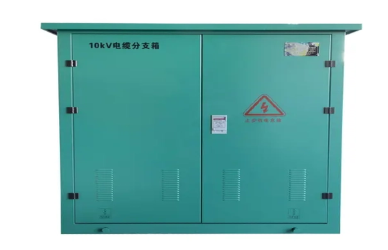
To ensure reliable performance and extend the lifespan of a Ring Main Unit (RMU), regular maintenance is crucial. Following proper practices for inspection, cleaning, calibration, and timely upgrades can prevent premature failures and enhance performance. Here are key maintenance tips:
Inspection:
Conduct regular inspections to identify early signs of wear such as cracks in insulation, overheating, or corrosion. Check components like switches, busbars, fuses, and protective relays to ensure they function properly.
Cleaning:
Clean the RMU regularly to prevent dust and debris from interfering with its operation. Pay special attention to electrical contacts to avoid poor connectivity or short circuits.
Calibration:
Periodically calibrate the RMU to ensure it operates within the correct parameters. This includes verifying voltage, current, and protection settings to prevent overloading or underperformance.
Upgrades:
Keep the RMU updated with the latest technology, including upgraded protection relays and control systems. This ensures compatibility with modern grid management and enhances efficiency.
Replacement of Worn Components:
Replace worn components like bushings, seals, and insulating materials promptly. Using high-quality, compatible parts improves safety, performance, and longevity.
By following these maintenance tips—regular inspections, cleaning, calibration, and timely upgrades and replacements—you can maximize the lifespan of your RMU, ensuring it continues to provide reliable power distribution and reducing the need for costly repairs.
Knowing when to replace a Ring Main Unit (RMU) is crucial to maintaining a reliable power distribution system. While RMUs typically last 20 to 30 years, certain signs indicate it may be time for a replacement.
Frequent Failures or Faults:
If the RMU experiences repeated failures despite repairs, it may be time for replacement. Continuous breakdowns suggest the internal components are beyond repair.
Degraded Insulation and Components:
Visible damage to insulation or parts like switches and seals indicates the RMU can no longer provide reliable protection.
Outdated Technology:
If the RMU is using outdated technology that no longer meets modern grid requirements, replacement may be necessary.
High Maintenance Costs:
Rising repair costs can indicate the RMU is nearing the end of its service life, making replacement a more cost-effective option.
Cost of Repairs vs. Replacement:
If repairs are expensive or frequent, replacing the RMU might be more economical in the long term.
Age of the RMU:
Older RMUs nearing or exceeding their typical lifespan (20-30 years) may require replacement for better performance and efficiency.
Availability of Spare Parts:
Difficulty finding spare parts for older RMUs may indicate it's time to replace the unit.
Operational Efficiency:
Declining efficiency or inability to meet operational standards should prompt a replacement decision.
Regular maintenance, timely inspections, and keeping the RMU clean are essential for extending its lifespan.
Yes, factors like humidity, temperature extremes, and pollution can reduce an RMU's lifespan.
Signs like frequent faults, failure to operate correctly, and excessive wear on components indicate it may be time to replace the RMU.
Yes, heavy or fluctuating loads can stress the RMU, potentially shortening its lifespan.
The lifespan of a Ring Main Unit (RMU) is influenced by several key factors, including usage, maintenance practices, and environmental conditions. Frequent operation under heavy loads or harsh conditions can shorten its lifespan, while proper maintenance, such as regular inspections, cleaning, and calibration, helps extend its service life. Environmental factors, such as extreme temperatures, humidity, and pollution, can also impact the durability of an RMU, especially if it is exposed to corrosive or harsh environments. By regularly monitoring and maintaining the RMU, operators can ensure that it continues to perform reliably, minimizing the risk of breakdowns and optimizing its efficiency. Regular maintenance and timely upgrades are essential for achieving long-lasting performance, ensuring that the RMU remains effective and safe for years, ultimately providing cost savings and reducing the need for premature replacements.


