

Views: 0 Author: Site Editor Publish Time: 2026-02-10 Origin: Site


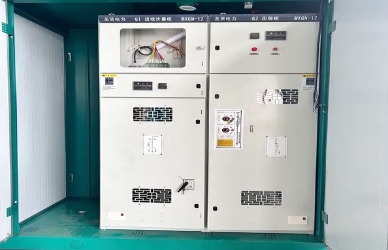
A Ring Main Unit (RMU) is a key component used in medium-voltage power distribution systems. It is designed to control, protect, and isolate electrical circuits, ensuring a reliable supply of electricity across various applications. RMUs are particularly useful in ring-type distribution networks, allowing power to flow from multiple directions, which enhances the stability and resilience of the grid.
Customization of RMUs is crucial for specific project needs as it ensures that the unit can meet the unique demands of different environments and operational conditions. Factors such as voltage requirements, space limitations, environmental factors, and specific protection needs may vary from one project to another. By customizing RMUs, businesses can ensure optimal performance, improved safety, and enhanced reliability in power distribution systems, making them a tailored solution for a wide range of industries and applications.
Ring Main Units (RMUs) can be customized to suit the specific needs of different projects. Customization ensures that the RMU operates optimally and efficiently based on various factors, such as voltage levels, available space, protection needs, and environmental conditions. Below are the key customization options for RMUs:
Adapting RMUs for Different Voltage Levels (Low, Medium, High):
RMUs can be designed to handle a wide range of voltage levels, including low, medium, and high voltage. The voltage rating of the RMU must match the project’s electrical system. For example, low-voltage RMUs are typically used in residential or small commercial applications, while medium-voltage RMUs are common in industrial and utility applications. High-voltage RMUs are used for more complex systems, such as substations or large-scale distribution networks. Customizing the RMU ensures it can safely and effectively manage the required voltage, enhancing both performance and safety.
Customizing RMUs for Tight Spaces or Large Installations:
In many installations, especially in urban settings or areas with space constraints, the size of the RMU is a crucial factor. Compact RMUs, such as gas-insulated RMUs (SF6), are ideal for locations where space is limited. These RMUs are designed to be smaller and more efficient, fitting into tight spaces like underground vaults or basements. On the other hand, larger installations may require larger RMUs with more compartments or enhanced features. Customizing the size allows the RMU to fit the specific spatial needs of the project, ensuring that installation is both practical and efficient.
Tailoring Protection Settings Based on System Requirements (Overcurrent, Fault Isolation):
RMUs play a vital role in protecting the electrical system from faults such as overcurrent, short circuits, and other abnormal conditions. These units can be customized with specific protection features based on the system's needs. For instance, overcurrent protection settings can be adjusted to ensure the RMU disconnects the power when it detects an excessive current flow, preventing damage to equipment. Additionally, fault isolation settings can be fine-tuned to isolate faulted sections of the network and minimize the impact on the rest of the grid. Customizing these features ensures the RMU effectively safeguards the system and provides reliable power distribution.
Choosing Materials and Insulation for Harsh or Specialized Environments (e.g., Offshore, High Pollution):
RMUs installed in specialized environments, such as offshore oil rigs, high-pollution areas, or extreme climates, need to be customized to withstand the specific challenges posed by these conditions. For example, offshore installations require RMUs with corrosion-resistant materials to protect against saltwater exposure, while high-pollution environments may need RMUs with additional sealing and filtration features to prevent contaminants from affecting performance. Custom insulation materials, such as solid-insulation or SF6 gas, may be chosen depending on the environmental conditions. These customizations ensure that the RMU performs reliably and safely, even in the harshest environments.
By customizing RMUs based on voltage requirements, space constraints, protection needs, and environmental factors, operators can ensure that these critical components meet the unique demands of each project. Customization helps optimize the performance, safety, and longevity of the RMU, resulting in a more efficient and reliable electrical distribution system.
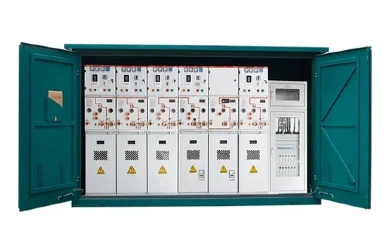
Customizing Ring Main Units (RMUs) provides several key advantages that improve overall system performance, safety, and cost-efficiency. By tailoring RMUs to meet the specific needs of a project, operators can achieve better outcomes and ensure long-term reliability. Here are the main benefits of customizing RMUs:
Optimized Operation: Customizing the RMU for specific voltage levels, space, and protection features ensures that the unit operates at peak efficiency. Tailored protection settings, such as overcurrent and fault isolation, help prevent system failures, reducing the risk of power disruptions. Customization also allows RMUs to operate more effectively within their designated capacity, minimizing energy losses and ensuring smooth power distribution.
Enhanced Safety: Customization ensures that the RMU is better equipped to handle specific environmental conditions and operational stress. For example, in industrial or hazardous environments, additional protective features can be integrated to safeguard against faults, overheating, and other dangerous situations. This makes the system safer for both the equipment and personnel.
Adaptation to Unique Conditions: Customized RMUs are specifically designed to meet the unique requirements of different installation locations, such as urban networks, industrial sites, renewable energy applications, or harsh environmental conditions. This adaptability allows RMUs to function reliably, even in challenging environments like high-pollution areas or offshore installations. Tailored insulation materials and protection features ensure that the RMU can handle specific operational demands, resulting in fewer failures and longer service life.
Future-Proofing: Custom RMUs can be designed with scalability and future needs in mind, such as the ability to upgrade protection systems, expand capacity, or integrate with modern smart grid technologies. This future-proofing ensures that the RMU remains effective and adaptable as the system grows or changes over time.
Reduced Maintenance Costs: By customizing RMUs with the right protection features and components for specific applications, the need for frequent repairs and maintenance can be minimized. Custom-designed units are less likely to experience failures, reducing operational downtime and the costs associated with emergency repairs. This results in long-term cost savings and ensures that the RMU delivers consistent performance without frequent interventions.
Optimized Resource Utilization: Customizing RMUs ensures that they are not overbuilt or underutilized, allowing resources to be effectively allocated. This leads to a more cost-efficient installation, as the RMU is designed to handle only what is necessary for the system’s demands, without excess capacity that adds unnecessary costs. The optimized design also reduces energy losses, improving overall operational cost-effectiveness.
Customizing Ring Main Units (RMUs) offers many advantages but also presents several challenges, including costs and complexity of design changes, availability of components, and ensuring compatibility with existing infrastructure. Below are the key challenges:
Higher Initial Costs: Custom RMUs generally involve higher upfront costs due to the need for specialized components and design modifications. Customization requires additional engineering and testing, making these units more expensive than standard models.
Design Complexity: Customizing an RMU requires careful engineering to integrate modifications without compromising performance or safety. This complexity can lead to longer lead times and potentially delay the project.
Supply Chain Limitations: Sourcing the necessary components and materials for customization can be challenging, especially if specific insulation materials or unique parts are required. The availability of these components may impact project timelines and increase costs.
Stock and Spare Parts: Maintaining an adequate stock of spare parts for customized RMUs may be difficult, especially if components are unique or discontinued, leading to potential future maintenance challenges.
Integration with Existing Systems: Customized RMUs must be compatible with existing electrical infrastructure. Ensuring seamless integration with other equipment, protection systems, and control devices may require adjustments to the broader network.
Future-Proofing and Upgrades: Custom designs must be flexible enough to integrate future technologies, such as smart grid systems. Without this foresight, the RMU may face compatibility issues in future upgrades.
RMUs can be designed to handle various voltage levels, from low to high voltage, depending on the project's requirements.
Yes, RMUs can be customized with special insulation materials or coatings to withstand extreme temperatures, moisture, or pollution.
Customization ensures that the RMU is perfectly suited to the project’s needs, enhancing efficiency, safety, and system reliability.
Yes, customization can increase the cost, but it can also lead to long-term savings by improving performance and reducing future maintenance.
In summary, customizing Ring Main Units (RMUs) offers a range of options to tailor them for specific project needs, including adjustments for voltage levels, size and space constraints, protection features, and environmental conditions. Customizing RMUs ensures they are optimized for the unique demands of urban, industrial, renewable energy, or specialized environments. However, this customization comes with challenges such as higher costs, design complexity, and the need for compatible components and materials. Selecting the right RMU based on the project’s specific needs—whether it be for space, voltage, or environmental resilience—is crucial for ensuring efficient operation, long-term reliability, and cost-effectiveness. By carefully considering these factors, operators can ensure their RMUs deliver optimal performance, reduce maintenance costs, and adapt to future demands, contributing to a more resilient and efficient power distribution system.


